Assessing Power Performance
Power Audit
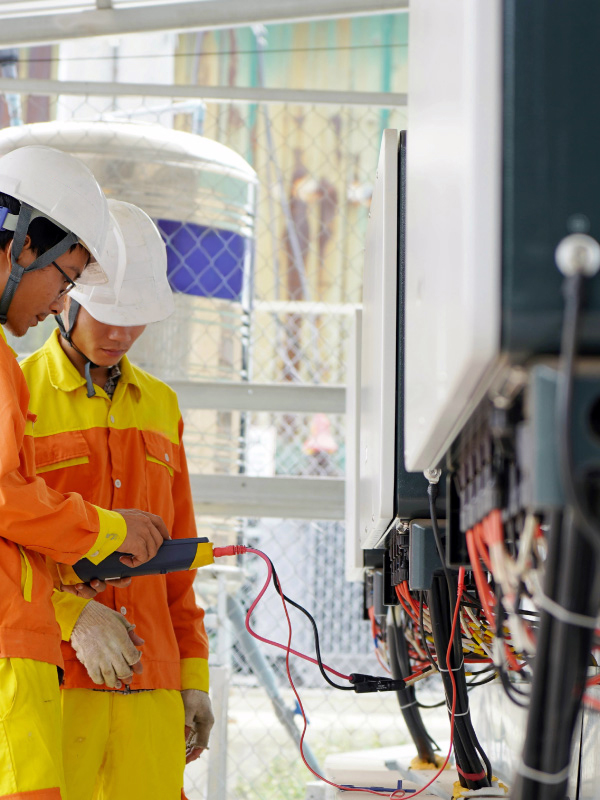
It is an undeniable fact that IT and network equipment requires power to operate. Power quality provided for IT equipment is very important because poor power quality can cause disruptions to IT operations and business continuity due to data loss, reduced equipment lifespan and nuisance tripping. Some of the power quality problems that data centers commonly face are: Transients, Interruptions, Under-voltage, Over-voltage, Waveform distortion, Voltage fluctuations, Power frequency variations.
Another valid concern is the distribution paths of power from utility provider to IT equipment. Unlike other environments, data centers are unique because IT and communication requirements, technology and hardware upgrades are continuously revolutionized for greater speed and better performance. All new data centers will most likely change the IT equipment hardware configuration during its effective lifecycle.
Over time, new hardware and IT configurations are added to cope with increasing demand and this requires additional electrical power. Therefore, it is crucial to analyze the current power capacity available and the UPS reliability to cater for growth and expansion of the data center with minor disruptions to IT operations.
Cooling Efficiency Assessment
Cooling Audit
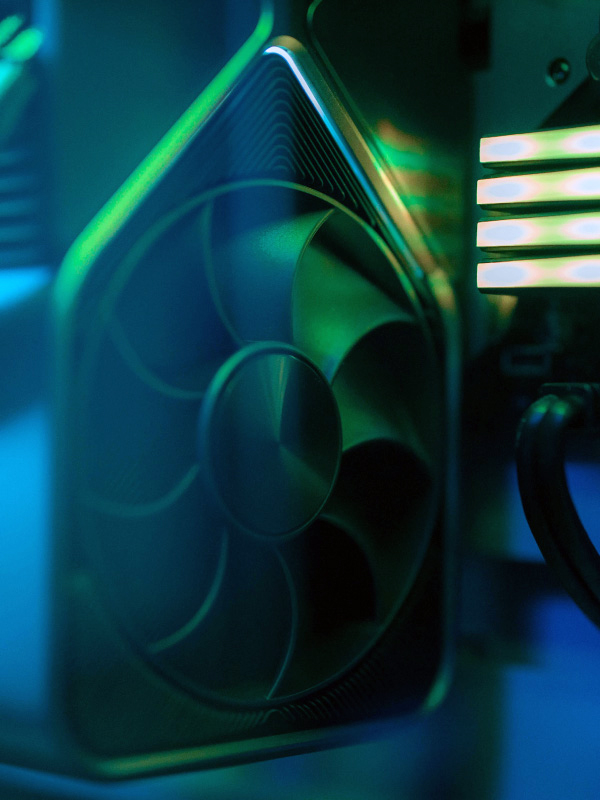
IT and networking equipment are getting smaller with manufacturers becoming more innovative and computer chips becoming smaller and more powerful. Today, data centers can pack in more servers per square meter with more computing power due to technological advances in IT equipment design like the blade servers. However, this advantage comes with a price due to increasing heat density and the ability of the cooling system to effectively cool the IT equipment.
Without proper cooling and airflow supply to the IT server air inlet intake, the lifespan and performance of the IT equipment will be greatly affected due to high air temperatures. Erratic data processes will be common and the greatest risk is total thermal shutdown of the server and networking equipment. This will prevent you from expanding and adding new equipment to your data center due to uncontrolled heat management.
A cooling audit will help you to identify hot spots and recommend solutions to eliminate the hot spots. In addition, a cooling audit will assist you to plan for future expansion by identifying the best solutions for managed upgrades to the cooling system and meeting new IT equipment demands.
Operational Reliability Assessment
Data Center M&E Infrastructure Assessment
It is an undeniable fact that IT and network equipment requires power to operate. Power quality provided for IT equipment is very important because poor power quality can cause disruptions to IT operations and business continuity due to data loss, reduced equipment lifespan and nuisance tripping. Some of the power quality problems that data centers commonly face are: Transients, Interruptions, Under-voltage, Over-voltage, Waveform distortion, Voltage fluctuations, Power frequency variations.
Another valid concern is the distribution paths of power from utility provider to IT equipment. Unlike other environments, data centers are unique because IT and communication requirements, technology and hardware upgrades are continuously revolutionized for greater speed and better performance. All new data centers will most likely change the IT equipment hardware configuration during its effective lifecycle.
Over time, new hardware and IT configurations are added to cope with increasing demand and this requires additional electrical power. Therefore, it is crucial to analyze the current power capacity available and the UPS reliability to cater for growth and expansion of the data center with minor disruptions to IT operations.
Power and Cooling Readiness
Blade Server & GPU Readiness Assessment Service
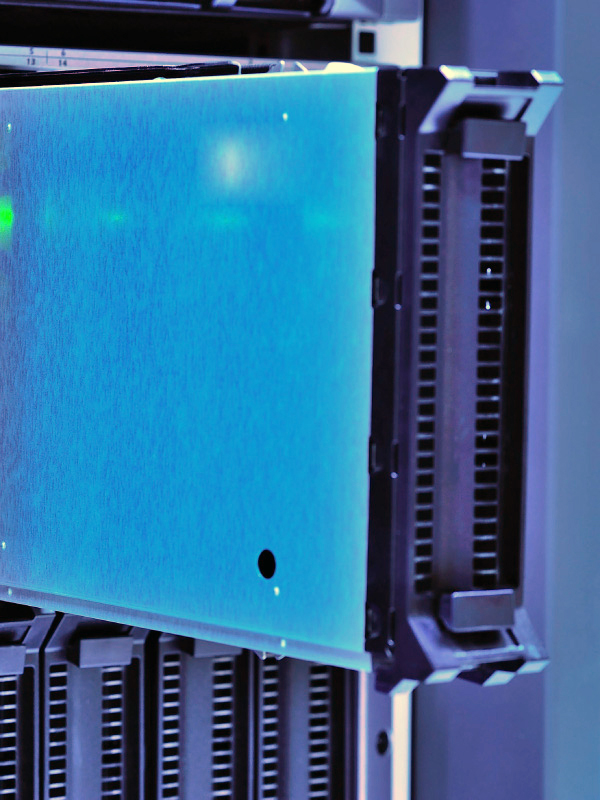
The main concerns on deploying blade servers are power distribution, high density cooling, cable management and structural floor loading. Blade servers bring many advantages to you like more computing power with less energy consumed. In addition, blade servers also require less space which mean that you can theoretically install 84 numbers of blade servers in a single standard 42U IT enclosure. However, without proper evaluation of the power and cooling system that can support this configuration, it negates the savings that you will potentially achieve by deploying blade servers. In fact, it may cost you more when your servers start to fail due to high temperatures, when circuit breakers trip due to overloading or when your concrete floor starts to crack due to high point loads.
A proper blade server readiness assessment will give you the peace of mind by helping you to prepare your data center for effective and efficient blade server deployment.
Engineering Resilience into Every Layer.
Ensure 24/7 business continuity with a comprehensive M&E infrastructure audit. Identify risks before they impact your bottom line.